Dubai’s New Arabic Education Policy: Mandatory From Birth to Age 6
Dubai KHDA announces mandatory Arabic language education in private schools starting 2025. Learn about the new early childhood education requirements and implementation.
By Vadim Kouznetsov, published
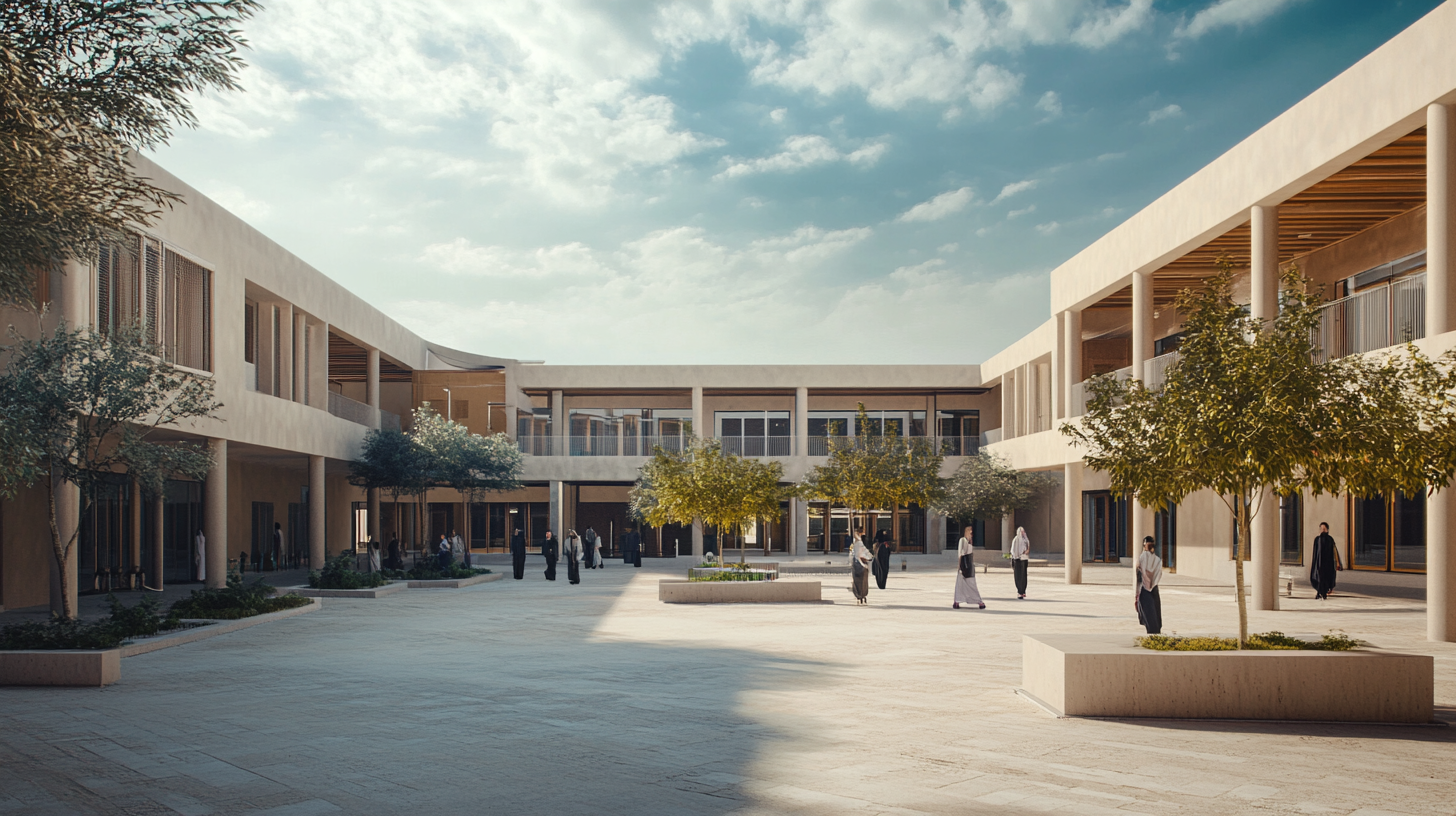
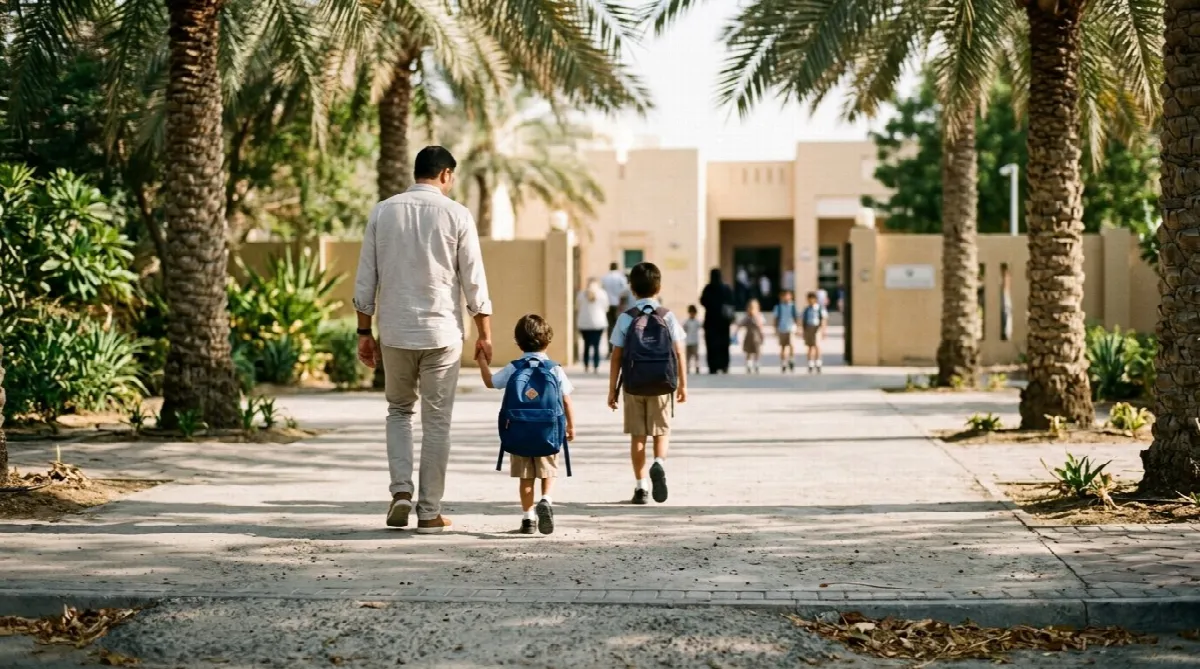
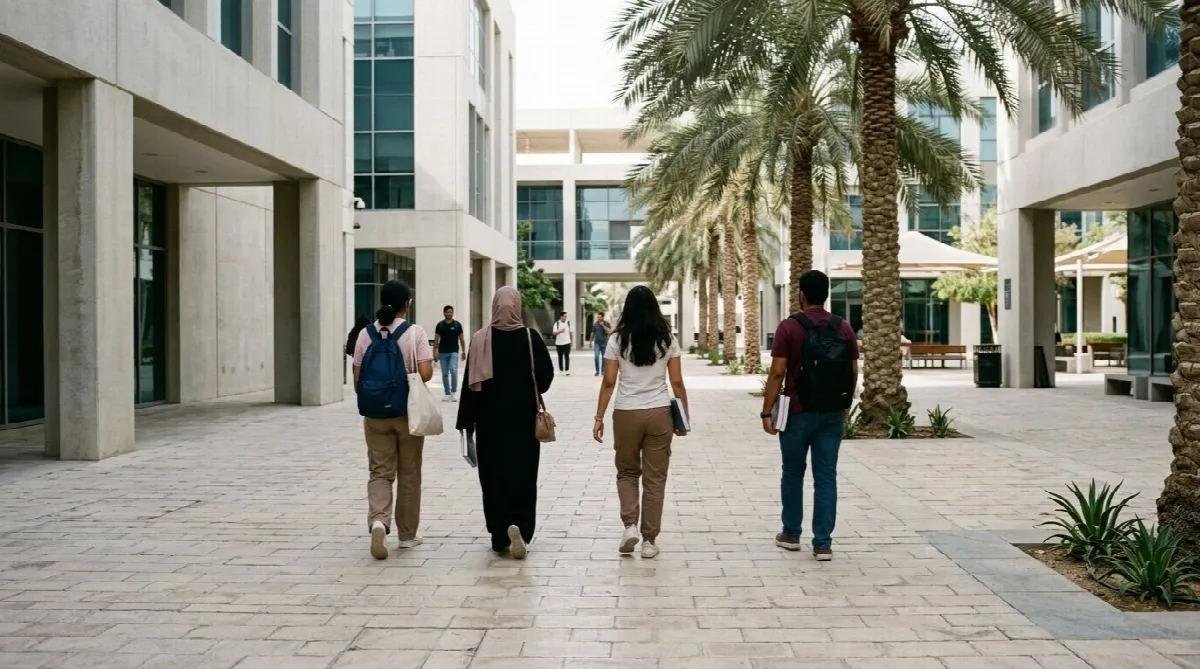
Dubai’s Knowledge and Human Development Authority (KHDA) has rolled out groundbreaking changes to Arabic language education, introducing mandatory learning from birth to age six across all private schools and early childhood centres.
Key Policy Changes and Implementation Timeline
The revolutionary policy takes effect from September 2025 for schools following the September academic calendar, while April-start schools will implement changes from April 2026. The introduction follows a measured approach:
- Phase one focuses on children aged four to six years, starting September 2025
- Additional phases will gradually incorporate younger age groups
- All private educational institutions must comply with the new framework
Interactive Learning Model
The policy introduces fresh teaching methods that prioritise student engagement:
- One-third of instructional time requires Arabic teacher presence
- Learning activities emphasise cultural relevance and interaction
- Different learning models accommodate both native and non-native Arabic speakers
- Play-based and inquiry-driven teaching methods take centre stage
Professional Development and Parent Involvement
KHDA emphasises two crucial success factors:
- Teachers must possess appropriate qualifications and receive ongoing professional development
- Parents play a vital role in supporting Arabic language development through home-based learning
Arabic Language Strategy: Loughat Al Daad
This initiative forms part of Loughat Al Daad, a key component of Dubai’s Education 33 strategy. The programme, named after the unique Arabic letter “Daad,” aims to strengthen:
- Arabic language acquisition
- Understanding of UAE culture
- Connection to local heritage
Cultural Identity and Integration
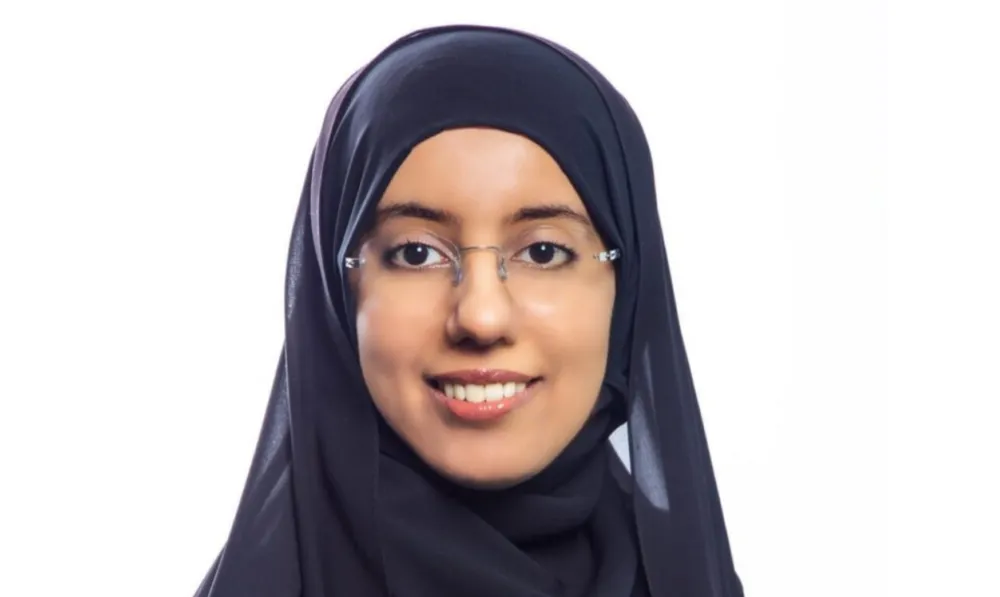
Fatma Belrehif, CEO of the Education Quality Assurance Agency at KHDA, highlights the policy’s cultural significance: “Arabic stands as a cornerstone of UAE’s identity. By incorporating Arabic learning early, we create opportunities for all children – Emiratis, Arabs, and non-native speakers – to connect with UAE’s rich cultural tapestry.”
Additional Educational Updates
KHDA has also revised requirements for national mandatory subjects from Grade 1/Year 2 through Grade 12/Year 13, including:
- Modified instructional time
- Updated language requirements for Islamic Education
- Revised Social Studies curriculum
- Enhanced Moral Education framework
- Adjusted UAE Social and Cultural Studies for non-Arab students
This comprehensive policy reflects Dubai’s commitment to preserving and promoting Arabic language while preparing students for an integrated educational experience.
Additional Reading Material
The UAE week, every Monday
The week's stories on jobs, visas, money and daily life in one short email. Unsubscribe in one click.