The developer of Dubai Mangroves has revealed plans to rehabilitate 72km of shoreline and install 100m trees.
Explore how the Dubai Mangroves initiative plans to revolutionize 72km of coastline with over 100 million trees, aiming for environmental sustainability and urban development harmony.
By Vadim Kouznetsov, published
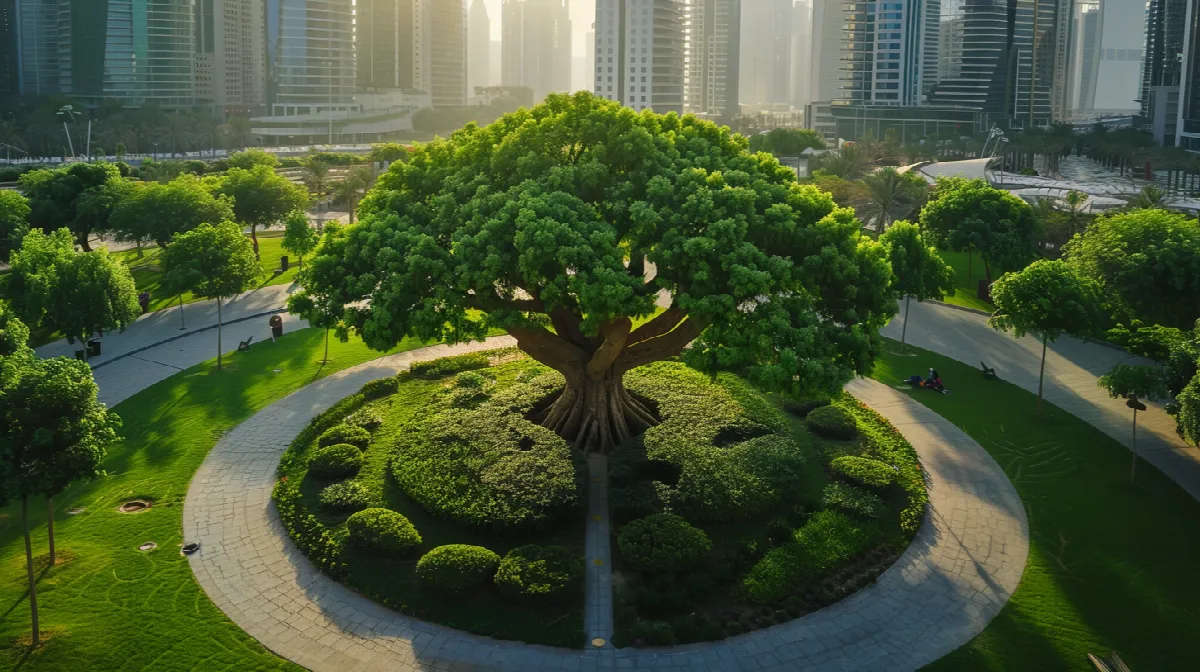
The Dubai Mangroves project has revealed plans to plant over 100 million mangrove plants across 72 km in an innovative effort that would greatly improve the city’s shoreline. In addition to its ambitious goal of landscape beautification, this concept is in line with Dubai’s environmental goals and the larger Dubai 2040 Master Plan, which places special emphasis on resilience, biodiversity, and sustainable urban development.
Mangroves are unique in that they can prevent erosion, absorb carbon dioxide, and sustain marine life. An average mangrove tree can absorb around 12.3 kg of CO2 yearly, which means that the project can offset 1.23 million tonnes of CO2 annually. With this contribution, nearly 260,000 gasoline-powered automobiles’ worth of pollutants would have been eliminated, making a substantial advancement towards environmental sustainability.
URB, the company behind the groundbreaking Dubai Reefs Project and The Loop, is the driving force behind this massive endeavour. The CEO of URB, Baharash Bagherian, claims that the Dubai Mangroves project has redefined the worldwide standard for urban-ecological balance by demonstrating the positive relationship between ecological innovation and urban growth.
This effort is a comprehensive vision for a future where urban expansion and environmental stewardship coexist together, going beyond merely improving urban resilience or beautifying the coasts. Dubai Mangroves seeks to serve as an example for other cities throughout the world, showing how integration, as opposed to compromise, may result in the simultaneous achievement of sustainability and urban growth objectives.
In addition to its effects on the environment, the programme aims to provide fun and instructive attractions such as the Nature Reserve Conservation Centre, the Botanical Museum, and the Mangrove Visitor Hub. These facilities are intended to serve as hubs for research, education, and advocacy, fostering a greater awareness and stewardship for the environment among locals and visitors alike. They are also intended to educate and engage the community and visitors about mangroves and environmental conservation.
The project, which is now in its study phase, suggests six pilot design projects in particular places, each of which represents a fusion of mangrove restoration with infrastructure development. The objective of these models is to demonstrate how multifunctional landscapes may provide aesthetic, recreational, and ecological advantages, improving the livability and sustainability profile of the city.
In summary, Dubai Mangroves is positioned to become a symbol of how ambitious environmental initiatives and urban growth can coexist peacefully, opening the door for Dubai to have a greener, more sustainable future and serving as a model for other cities throughout the world.
The UAE week, every Monday
The week's stories on jobs, visas, money and daily life in one short email. Unsubscribe in one click.