How Solar Energy is Shaping the Future of Sustainable Development in the UAE
The UAE leads the Middle East in sustainable development with a focus on solar energy. Projects like the Mohammed Bin Rashid Al Maktoum Solar Park and Shams 1 showcase ambitious renewable energy initiatives. Strategic policies and technological innovations drive efficiency and promise a future of environmental and economic resilience.
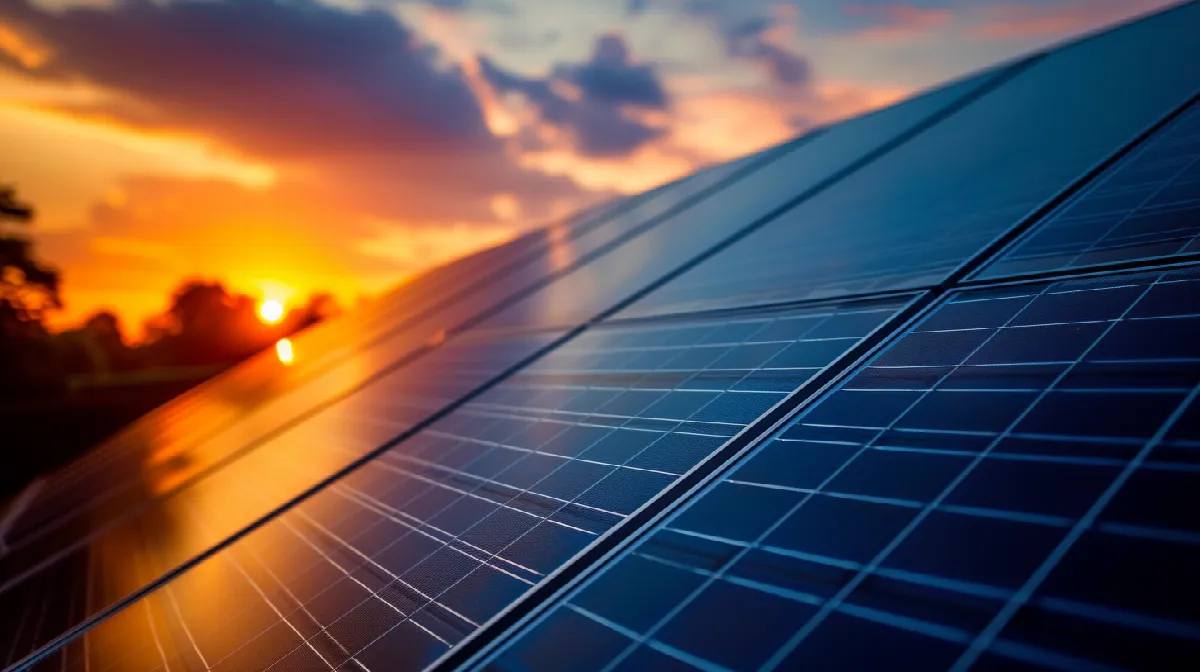
With the world increasingly focusing on sustainability and the shift towards renewable energy, the United Arab Emirates (UAE) is leading the charge in the Middle East. This blog post delves into the pivotal role solar energy plays in the UAE’s vision for sustainable development, touching on the latest technologies, projects, and policy implications that are setting the stage for a greener future.
Introduction
The UAE’s commitment to sustainable development has taken a front seat in their national agenda, with solar energy positioned as a cornerstone in this transformative journey. This strategic move not only addresses the global call for environmental stewardship but also aligns with the country’s economic diversification plans. Understanding the dynamics of solar energy in the UAE offers insights into how renewable resources can drive sustainable growth in a region historically dependent on fossil fuels.
The Surge of Solar Energy Projects
The UAE’s landscape brims with vast deserts, offering an abundant source of solar energy. Harnessing this potential, the country has embarked on several ambitious projects:
- The Mohammed Bin Rashid Al Maktoum Solar Park in Dubai is one of the largest renewable energy projects worldwide. Upon completion, it aims to generate thousands of megawatts, significantly reducing carbon emissions.
- Shams 1 in Abu Dhabi stands as one of the world’s largest concentrated solar power plants, showcasing the country’s innovative approach to utilizing renewable resources.
Policy Frameworks and Initiatives
The UAE’s government has implemented strategic policies to support the transition to solar energy:
- The UAE Energy Strategy 2050 targets an energy mix that combines renewable, nuclear, and clean energy sources to balance economic needs and environmental goals.
- The Dubai Clean Energy Strategy 2050 aims to transform Dubai into a global hub for clean energy and green economy, with plans to source a substantial percentage of its energy from renewable sources by 2050.
Innovations Driving Solar Energy Efficiency
Technological advancements are at the heart of the UAE’s solar energy boom. Innovations such as bifacial solar panels, which capture sunlight from both sides, and floating solar panels, are enhancing the efficiency and applicability of solar installations.
The Economic Implications
Investing in solar energy is not just an environmental decision for the UAE but a strategic economic one. It opens avenues for job creation in the green economy, attracts foreign investment, and reduces dependence on oil, paving the way for a diversified and resilient economy.
Challenges and Forward Path
Transitioning to solar energy comes with its set of challenges, including initial investment costs, the need for technological infrastructure, and adapting power grids for renewable energy integration. However, with ongoing investment in research and development, the UAE is well-positioned to overcome these hurdles.
Conclusion
The UAE’s solar energy initiatives portray a future where sustainable development and economic prosperity go hand in hand. By prioritizing renewable energy, the country sets a benchmark for the region and the world, demonstrating that investing in sustainability is not just viable but imperative for the future.
Key Takeaways
- The UAE is pioneering in solar energy adoption, with significant projects like the Mohammed Bin Rashid Al Maktoum Solar Park and Shams 1.
- Strategic policies such as the UAE Energy Strategy 2050 and the Dubai Clean Energy Strategy 2050 underlie the country’s commitment to sustainable development.
- Technological innovations are crucial in enhancing the efficiency of solar energy systems.
- The push towards solar energy is reshaping the UAE’s economy, promising a future of environmental and economic resilience.