UAE Employee Confidentiality Breach: Legal Actions and Evidence Handling
Complete guide to UAE legal actions against employees sharing company secrets. Learn termination rights, criminal penalties, and evidence handling procedures.
By Vadim Kouznetsov, published

When employees breach confidentiality by sharing sensitive company information with competitors, UAE employers have clear legal recourse under both labour and criminal law. Understanding the proper procedures for evidence handling, termination processes, and legal action becomes critical for protecting business interests whilst complying with employment regulations.
Immediate Termination Rights Under UAE Labour Law
UAE employers possess strong legal grounds for immediate termination when employees violate confidentiality agreements. Article 44 of the UAE Labour Law specifically addresses situations where workers disclose confidential information, stating that employers may terminate without notice after conducting proper written investigations.
The law covers disclosure of work secrets related to industrial or intellectual property that results in employer losses, missed opportunities, or personal benefits to the worker. This comprehensive protection extends beyond traditional trade secrets to include pricing information, client data, and strategic business intelligence.
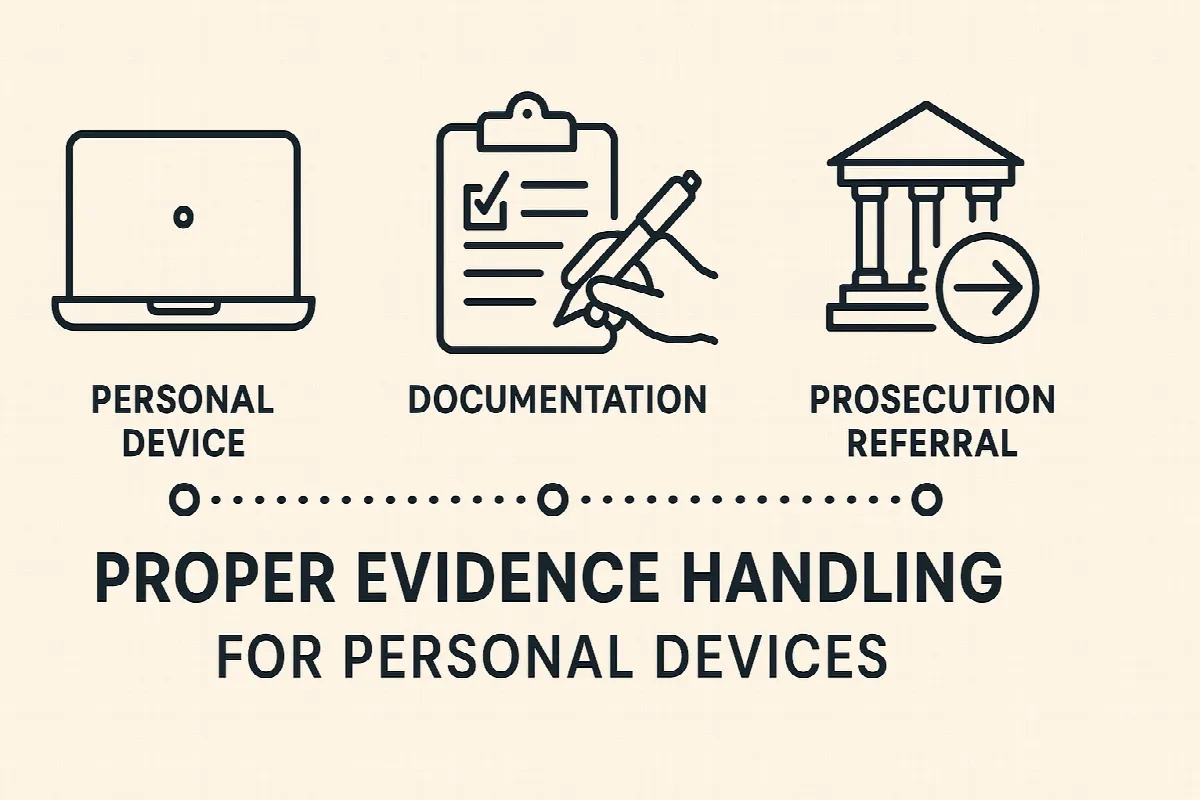
Required Investigation Process:
- Formal written investigation must precede termination
- Employee must receive opportunity to respond to allegations
- Documentation of investigation findings required
- Termination notice should reference specific legal violations
Criminal Law Implications for Confidentiality Breaches
Beyond employment termination, employees who share company secrets face serious criminal charges under UAE Penal Code No. 31 of 2021. These provisions create strong deterrents against confidentiality violations whilst providing employers additional legal remedies.
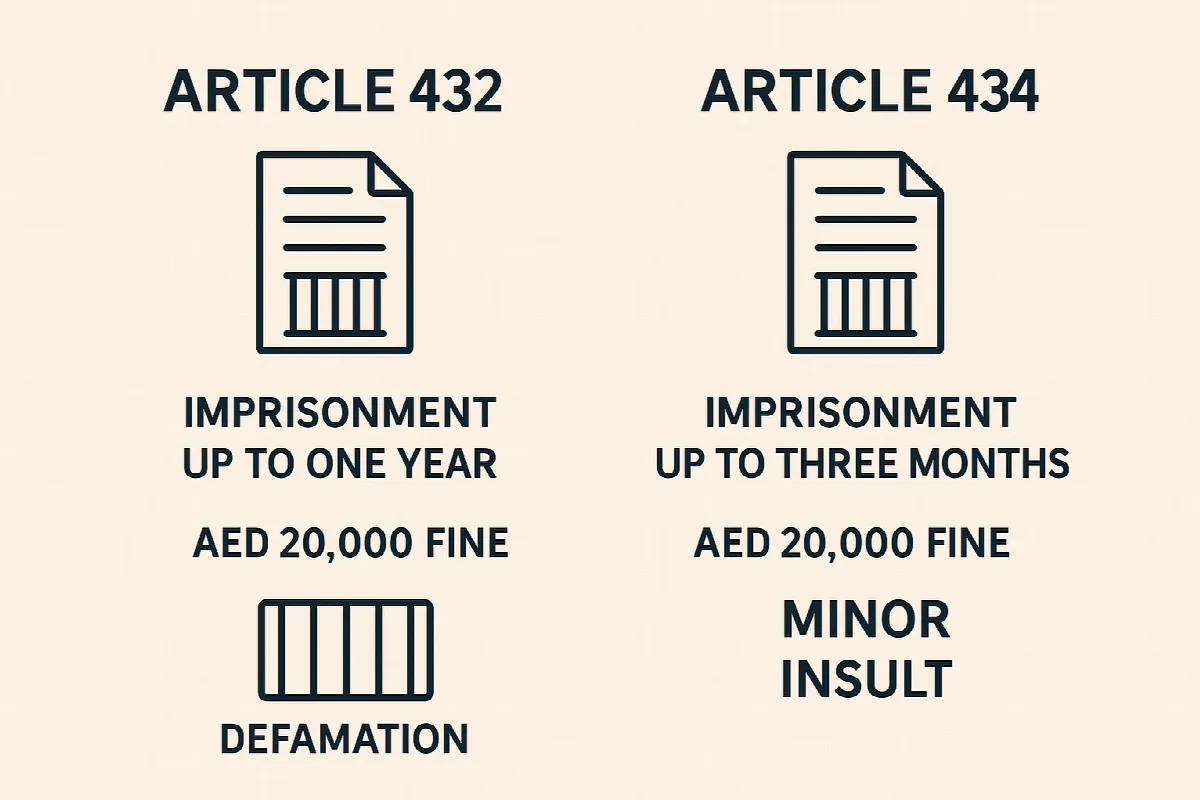
Article 434 – Unauthorized Data Distribution
This provision targets employees who unlawfully copy, distribute, or provide confidential information accessed through their professional positions. The law specifically covers phone calls, correspondence, data, and information obtained during employment duties.
Criminal penalties under this article include incarceration, creating significant personal consequences for employees who violate confidentiality agreements. The broad scope covers various forms of information sharing, including digital communications and data transfers.
Article 432 – Professional Secret Disclosure
This more comprehensive provision addresses professionals entrusted with secrets who disclose them outside legally permitted circumstances. The law imposes substantial penalties including:
- Minimum incarceration: One year imprisonment
- Financial penalties: Minimum AED 20,000 fine
- Alternative sentencing: Courts may impose both imprisonment and financial penalties
The article specifically targets individuals who use confidential information for personal advantage or benefit others, creating strong protections for employer interests.
Evidence Handling and Personal Property Rights
Complex legal considerations arise when confidential information is discovered on employee personal devices. UAE law provides specific guidance on evidence collection whilst protecting individual property rights.
Personal Device Evidence Collection
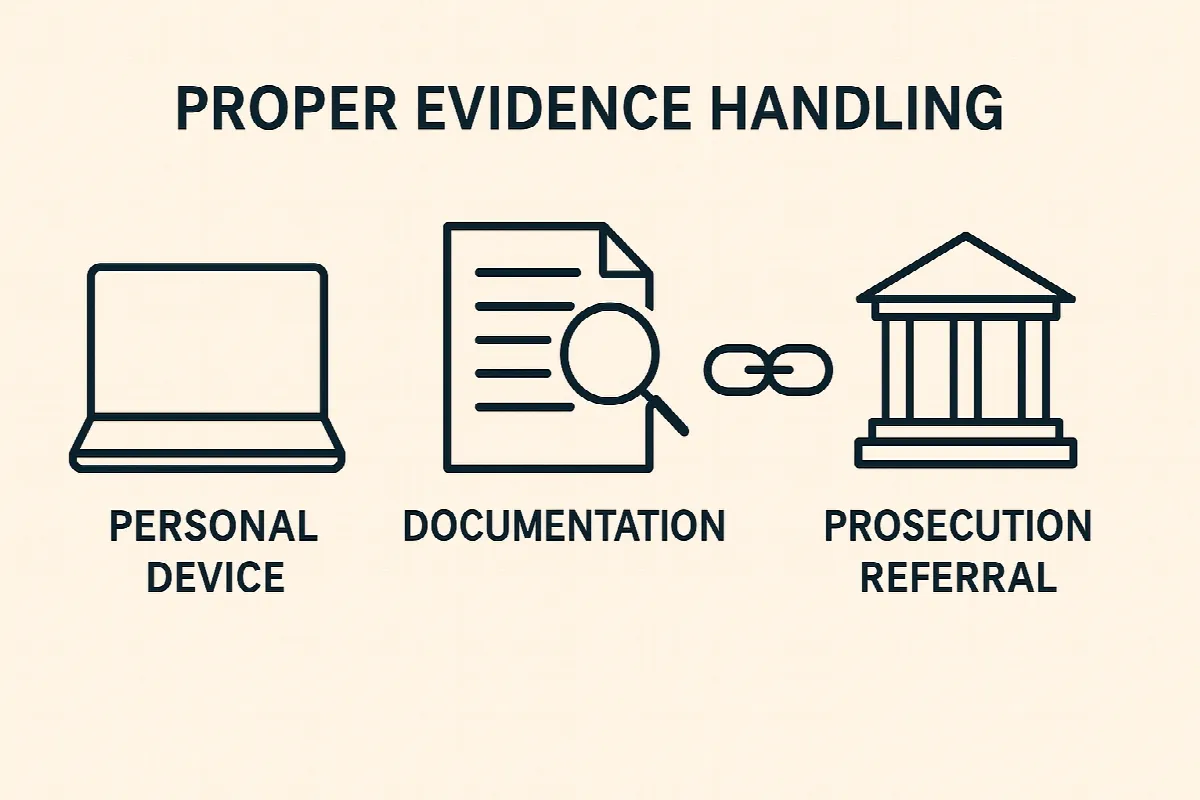
Employers cannot retain employee personal property, including laptops, phones, or storage devices, even when containing evidence of wrongdoing. However, several legal options exist for preserving evidence:
Prosecution Referral Process:
- Submit devices to prosecution authorities if located on company premises
- Allow prosecution to handle evidence collection and preservation
- Maintain chain of custody through official legal channels
Digital Evidence Documentation:
- Photograph or screenshot relevant evidence before device return
- Obtain witness statements regarding evidence discovery
- Document timestamps and access methods used
Legal Search and Seizure Procedures
When personal devices contain evidence of criminal activity, prosecution authorities possess proper legal authority for device examination. This process protects both employer interests and employee rights through established legal procedures.
Employers should immediately contact legal counsel when discovering evidence on personal devices to avoid potential violations of privacy laws whilst preserving prosecutorial options.
Civil Compensation Claims
Beyond criminal proceedings, employers may pursue civil compensation for damages resulting from confidentiality breaches. These claims can address:
Direct Financial Losses:
- Lost contracts due to competitor access to pricing information
- Reduced profit margins from compromised negotiations
- Client relationship damage from information disclosure
Opportunity Costs:
- Business opportunities lost to competitors
- Market advantages eliminated through information sharing
- Strategic planning disruption requiring business adjustments
Investigative and Legal Costs:
- Professional investigation expenses
- Legal representation fees
- IT security assessment and improvement costs
Preventive Measures for Employers
Proactive confidentiality protection reduces the likelihood of employee violations whilst strengthening legal positions in enforcement actions.
Comprehensive Employment Agreements
Strong confidentiality clauses should explicitly define protected information, disclosure restrictions, and penalty provisions. Clear agreements support both termination decisions and criminal prosecutions by establishing knowing violations of specific obligations.
Essential Agreement Elements:
- Detailed definition of confidential information
- Specific restrictions on information use and disclosure
- Post-employment confidentiality obligations
- Acknowledgment of potential criminal and civil consequences
Information Security Protocols
Technical safeguards complement legal protections by limiting employee access to sensitive information and creating audit trails for security monitoring.
Recommended Security Measures:
- Role-based access controls limiting information exposure
- Digital watermarking for sensitive documents
- Regular access log reviews identifying unusual activity
- Secure communication channels for confidential information
Employee Training Programs
Regular confidentiality training helps establish knowing violations whilst demonstrating employer commitment to information protection. Training documentation supports legal actions by proving employee awareness of obligations.
Documentation Requirements for Legal Action
Successful prosecution requires comprehensive documentation of confidentiality breaches, employee obligations, and resulting damages.
Investigation Documentation
- Written investigation records including employee responses
- Witness statements from individuals who discovered violations
- Technical evidence showing information access and distribution
- Timeline documentation establishing breach sequence
Damage Assessment Records
- Financial impact calculations showing specific losses
- Client communication regarding information compromise
- Competitor analysis demonstrating advantage gained through disclosure
- Business strategy adjustments required due to information sharing
Legal Procedure Timeline
Understanding proper legal procedure timing helps employers maximize protection whilst complying with regulatory requirements.
Immediate Actions (1-3 Days):
- Secure evidence and document breach discovery
- Conduct preliminary investigation and employee interview
- Consult legal counsel regarding evidence handling
- Initiate employment termination procedures if warranted
Short-term Actions (1-2 Weeks):
- File criminal complaints with prosecution authorities
- Submit evidence to appropriate legal authorities
- Document damages and prepare civil compensation claims
- Implement additional security measures preventing future breaches
Long-term Actions (1-6 Months):
- Support criminal prosecution proceedings
- Pursue civil compensation through court system
- Review and strengthen confidentiality policies
- Conduct comprehensive security assessment and improvements
Key Takeaway
UAE employers can immediately terminate employees without notice for sharing company secrets after conducting written investigations under Labour Law Article 44. Criminal charges apply under Penal Code Articles 432 and 434, with penalties including minimum one-year imprisonment and AED 20,000 fines. While employers cannot retain employee personal devices containing evidence, they must submit such devices to prosecution authorities for proper legal handling whilst pursuing both criminal and civil remedies for damages.
Further Reading
The UAE week, every Monday
The week's stories on jobs, visas, money and daily life in one short email. Unsubscribe in one click.