UAE Budget Travel Surge: Low-Cost Airlines Capture 29% Market Share
UAE budget travel surges as low-cost carriers capture 29% market share by 2024. Discover growth drivers, major players, and future aviation trends.
By Vadim Kouznetsov, published
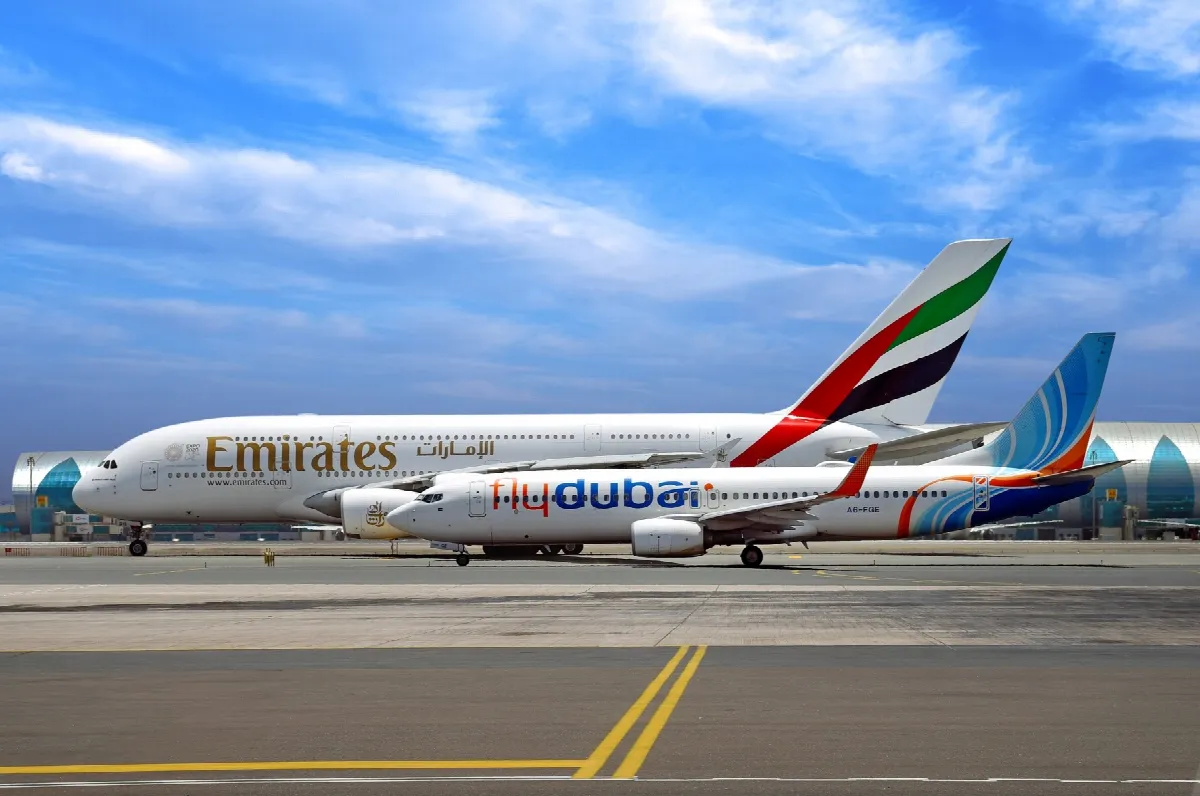
TL;DR: Budget airlines in the Middle East more than doubled their market share from 13% in 2014 to 29% in 2024, driven by cost-conscious travellers and new carriers like Air Arabia Abu Dhabi and Wizz Air. Flydubai and flynas lead the market with nearly 25% of low-cost capacity each.
The UAE’s aviation landscape transforms dramatically as budget-conscious travellers fuel unprecedented growth in low-cost carriers across the Middle East. This shift represents one of the most significant changes in regional travel patterns over the past decade.
Low-Cost Carriers Experience Explosive Growth Trajectory
From just 13 per cent in 2014, budget carriers rose to 29 per cent of capacity in the Middle East in 2024, according to a study released by global aviation consultancy OAG. This remarkable expansion demonstrates the region’s shifting travel preferences and economic dynamics.
LCC’s capacity has grown at a much faster rate than mainline capacity, increasing by an average of 11.5 per cent year on year in the last decade, compared to a mainline growth rate of just 1.4 per cent each year over the same time period. This growth differential highlights the competitive advantage budget carriers maintain in the evolving market.
Diverse Demographics Drive Budget Travel Demand
A large population of budget-conscious travellers from Asia and Africa in the Gulf Cooperation Council (GCC) is driving the demand for low-cost travel in the region. The demographic composition significantly influences airline strategies and route planning.
The six-nation GCC bloc’s population reached 63.7 million, with foreign nationals comprising substantial portions in Saudi Arabia, the UAE, and Qatar. This expatriate workforce creates consistent demand for affordable travel options to home countries and regional destinations.
Major Players Reshape Regional Aviation Market
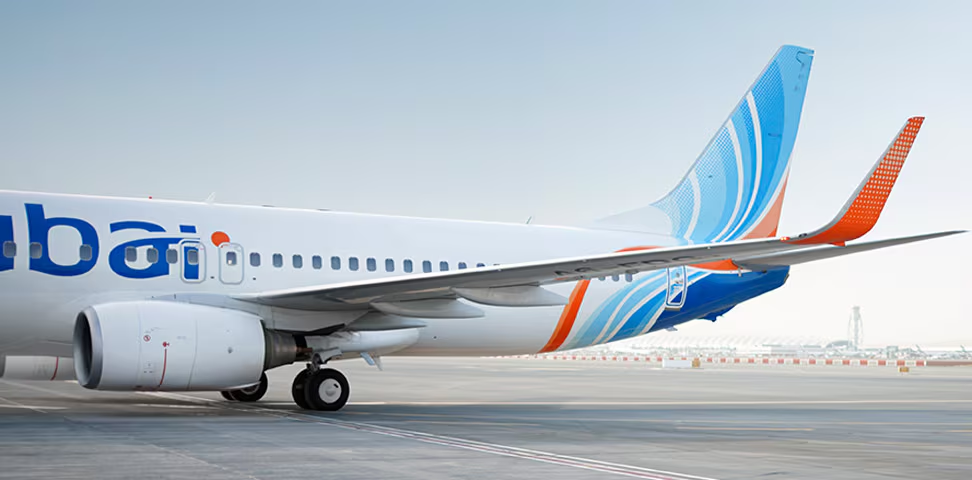
The Middle East LCC market in 2024 has eight main players. Flydubai and flynas are the largest, both with almost a quarter of LCC capacity each. The other major airlines are Air Arabia, flyadeal, Jazeera Airways, Salam Air, Wizz Air Abu Dhabi and Air Arabia Abu Dhabi.
New entrants continue joining the market with Air Arabia Abu Dhabi, Wizz Air, flynas and SalamAir launching operations to capture growing demand. These airlines focus particularly on connecting the Indian subcontinent with Middle Eastern markets, serving the sizeable blue-collar worker segment.
Strategic Route Networks Target Key Markets
Both flydubai and Air Arabia operate extensively in Asia, predominantly serving the Indian subcontinent market. This strategy reflects the substantial migrant worker population requiring regular, affordable connections between home countries and Gulf employment centres.
Africa represents an increasingly important market for regional low-cost carriers. “As expected, the majority of each of the main LCC’s capacity is focused on operating within the Middle East region, but as each carrier has evolved, so too have their networks and Africa represents an important market,” according to OAG analysis.
Economic Impact Creates Industry Transformation
The UAE and other regional airlines have recorded strong growth over the past couple of years, leading to increased profitability and job creation. This success attracts additional investment and encourages further market expansion.
By comparison, globally, LCCs operated at 34 per cent of capacity in 2024, indicating the Middle East market still has growth potential relative to worldwide trends. The regional focus on budget travel aligns with global aviation industry developments.
Regional Capacity Reaches Global Significance
According to OAG, the Middle East is the sixth largest region in the world based on available capacity, with 270 million one-way seats in 2024 placing the region ahead of Eastern Europe and behind South Asia. This positioning reflects the region’s growing importance in global aviation networks.
Premium carriers maintain strong presence with Emirates and Qatar Airways featuring among 2024’s Top 20 Global Airlines for Capacity and Top 10 Global Airlines by available seat kilometres. The coexistence of premium and budget carriers creates comprehensive market coverage.
Technology and Service Innovation Drive Competition
Modern low-cost carriers leverage technology to reduce operational costs whilst improving passenger experience. Digital booking platforms, mobile check-in services, and streamlined airport processes help maintain competitive pricing structures.
The UAE’s aviation sector benefits from world-class infrastructure supporting both budget and full-service carriers. Dubai International Airport and Abu Dhabi International Airport provide facilities enabling efficient low-cost operations alongside premium services.
Future Growth Prospects and Market Evolution
Industry analysis suggests continued expansion opportunities as regional economic development creates new travel demand. The UAE’s position as a business and tourism hub supports sustained growth across all airline segments.
The success of budget carriers complements broader UAE business sector developments and regulatory improvements that enhance the country’s attractiveness to international visitors and residents.
Market maturation may lead to consolidation amongst smaller carriers whilst established players expand route networks and fleet sizes. The competitive environment benefits consumers through improved services and competitive pricing structures.
Key Takeaway: UAE’s budget travel market demonstrates remarkable transformation with low-cost carriers doubling market share to 29% by 2024. Growth driven by expatriate demographics, strategic route development, and operational efficiency creates opportunities for continued expansion across the Middle East region.
The UAE week, every Monday
The week's stories on jobs, visas, money and daily life in one short email. Unsubscribe in one click.